The Role of Furniture in Interior Design
A building is merely a shell until it is furnished. While architecture sets the stage, furniture dictates the daily experience, transforming a physical structure into a living environment. Understanding the vital synergy between form and function is the first step for anyone looking to design a space that balances aesthetic grandeur with effortless utility.
Defining the Space through Furniture
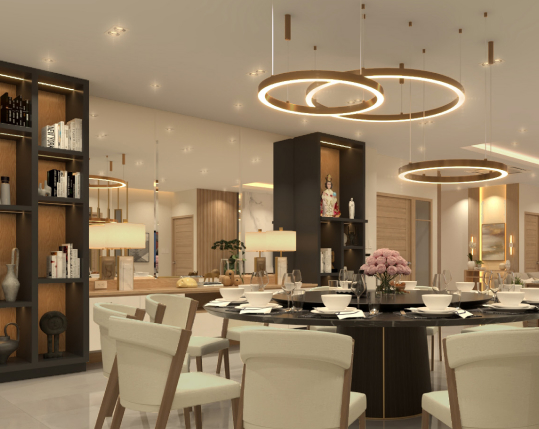
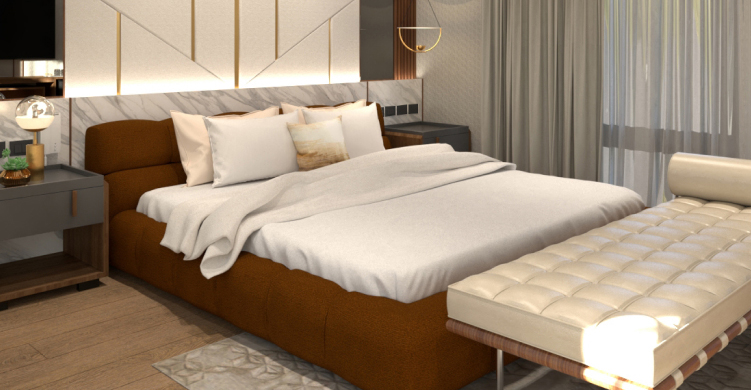
Furniture is not merely a collection of functional objects; it is the primary tool used to define the boundaries and purpose of a room. Without a bed, a room is just a box; with one, it becomes a sanctuary. In the professional world of interior design, furniture serves several critical purposes:
- Space Planning: Large pieces like sofas or dining tables act as anchors. They dictate the flow of traffic and create natural pathways throughout a home.
- Zoning: In modern open-plan layouts, furniture replaces walls. A strategically placed bookshelf or a sectional sofa can separate a living area from a dining zone without obstructing light.
- Scale and Proportion: Selecting pieces that complement the volume of a room is a skill mastered by the best interior designer, ensuring that a space feels neither cluttered nor empty.
The Intersection of Functionality and Aesthetics
A successful design scheme requires more than just high-end decor; it requires a deep understanding of human ergonomics. An interior designer in the Philippines often has to balance the tropical climate requirements with modern urban living, choosing materials that are durable yet visually light.
- Utility: Every piece must serve a purpose, whether it is providing seating, storage, or a surface for work.
- Comfort: The psychological impact of a well-furnished room cannot be understated. Ergonomic furniture reduces physical stress and enhances the quality of life for the occupants.
- Visual Identity: Furniture is the most direct way to express a specific style, whether it be mid-century modern, industrial, or contemporary.
Why Furniture Is Only One Piece of the Puzzle
While furniture is the most visible element, a comprehensive approach involves looking at the “shell” of the building. Lighting, flooring, and wall treatments work in tandem with furniture to create a cohesive atmosphere. An experienced interior designer will typically look at how natural light interacts with wood grains or fabric textures to ensure the room feels balanced throughout the day.
The expertise of a Philippine interior designer lies in the ability to source or customize pieces that fit the unique architectural landscape of the region. This approach successfully integrates local craftsmanship with global design trends to create a truly bespoke environment.
Selecting the Right Professional
Navigating the complexities of home styling requires a steady hand and a keen eye. When searching for the best interior designer in the Philippines, look for a portfolio that demonstrates a mastery of both spatial logic and material selection. The demand for high-quality interior design services continues to grow as homeowners realize the long-term value of professional space management.
Consider these essential factors when choosing a design professional:
- Portfolio Diversity: Ensure they have experience with your specific property type, whether it is a high-rise condo or a sprawling suburban estate.
- Project Management: Top-tier design is as much about logistics and execution as it is about artistic vision.
- Local Knowledge: A Manila interior design firm will understand the specific sourcing challenges and climate considerations unique to the metropolitan area.
Impact on Domestic Life
The shift toward more thoughtful interior house design in the Philippines reflects a broader movement toward viewing the home as a holistic environment for wellness. Every decision—from the arrangement of chairs to the placement of a desk—directly influences daily habits, focus, and overall productivity.
Whether through a minimalist aesthetic or a more maximalist approach, furniture remains the primary touchpoint between the human body and the built environment. Ultimately, high-end interior design in the Philippines is about creating a legacy of comfort and style, guided by the expertise of a professional designer to transform a residence into a sanctuary.