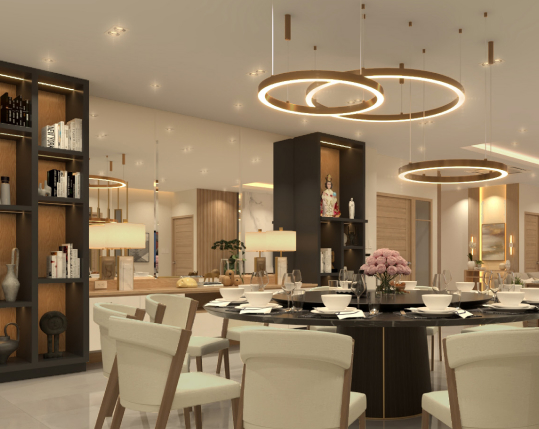
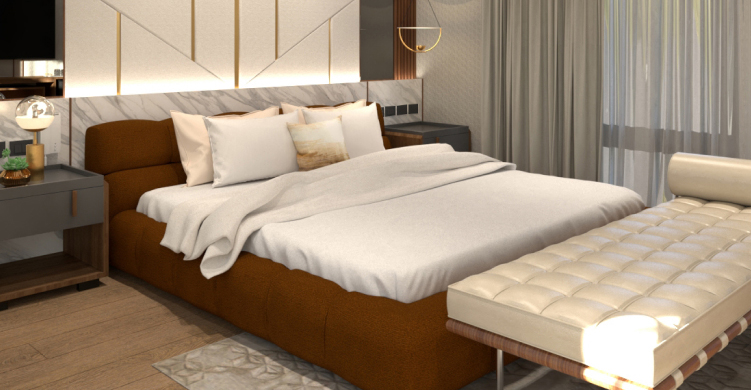
In the vibrant culinary landscape of the Philippines, the success of a dining establishment depends on much more than just a well-crafted menu. As diners increasingly seek “Instagrammable” spaces and immersive atmospheres, the physical environment has become a primary driver of customer satisfaction and brand loyalty. Professional restaurant interior design in the Philippines serves as the backbone of this experience, bridging the gap between a chef’s vision and the guest’s comfort.
Key Considerations in Philippine Restaurant Design
Designing for the local market requires a deep understanding of Filipino social habits, the tropical climate, and the unique architectural heritage of the archipelago.
Cultural & Lifestyle Influences
Dining in the Philippines is deeply communal, whether it’s a festive salusalo or a casual weekend meal—eating together is the norm.
- Social Dining Culture: Restaurant layouts should be designed to accommodate large groups, making flexible seating arrangements essential for families and barkadas who often dine together.
- The “Tambayan” Culture: Filipinos also value places where they can stay, talk, and unwind. This makes comfort and ambience key, encouraging guests to linger and treat the restaurant as a natural social gathering space.
Climate Considerations
The Philippines’ tropical climate brings year-round heat, high humidity, and heavy rainfall during the monsoon and rainy season.
- Ventilation: High ceilings, open layouts, and strategically placed windows help promote natural airflow and reduce heat build-up in humid conditions.
- Rainy Season Planning: With frequent downpours, especially during the monsoon months, covered walkways, effective drainage, and well-designed sheltered areas are essential to keep spaces functional and comfortable even during heavy rain.
- Indoor–Outdoor Balance: Many modern restaurants now blend indoor and outdoor spaces to maximize natural light and airflow, while using shading systems and weather-aware design to manage both intense sun and sudden rainfall.
Urban vs Provincial Dining Spaces
Restaurant design in the Philippines often shifts depending on location, with distinct approaches needed for urban centers versus provincial settings.
- Metro Manila: In high-density city areas where space is limited, designs prioritize compact and efficient layouts that maximize every square meter while still maintaining a strong visual identity and customer comfort.
- Provincial Areas: In contrast, restaurants in provincial locations are often designed as destination spaces, with more generous layouts that take advantage of open surroundings and integrate natural landscapes into the overall dining experience.
Key Principles of Restaurant Interior Design
Successful restaurant interiors strike a careful balance between aesthetics and functionality. To achieve this, several core design principles must be considered throughout the planning and execution process.
Functionality & Flow
A restaurant must function as a high-performance machine. The kitchen-to-dining workflow should be unobstructed to ensure that food reaches the table at the optimal temperature. Clear circulation paths for both staff and customers prevent bottlenecks during peak hours.
Brand Identity & Storytelling
The interior should be a physical extension of the brand’s narrative. A native Filipino restaurant interior design might use indigenous textures and reclaimed woods to evoke a sense of heritage and warmth, ensuring the theme remains cohesive from the menu to the wall finishes.
Comfort & Ergonomics
Aesthetics should never sacrifice comfort. Seating design must adhere to ergonomic standards, ensuring table heights and chair depths support a pleasant dining experience. Accessibility is also a key consideration, with inclusive design features ensuring the space is navigable for all guests.
Lighting Design
Effective lighting design goes beyond visibility—it helps shape the overall mood and dining experience. A well-designed restaurant typically uses a layered approach to create depth, warmth, and visual interest throughout the space.
- Ambient Lighting: The primary layer that provides overall illumination and ensures the space feels comfortable and evenly lit.
- Task Lighting: Focused lighting used in functional areas such as dining tables, bar counters, and menu spaces to support clear visibility.
- Accent Lighting: Decorative lighting used to highlight key design elements, architectural features, or artwork, adding character and emphasis to the interior.
Space Planning & Layout Strategies
A well-planned restaurant layout does more than organize space. It shapes how smoothly the business operates and how comfortably guests experience the environment. Every zone must work together to support both efficiency and atmosphere.
Zoning the Space
Effective layouts clearly define zones for dining, the kitchen, waiting areas, and service stations. This separation ensures that the “back-of-house” operations do not disturb the “front-of-house” guest experience.
Maximizing Small Spaces
In urban settings, designers use multi-functional furniture and vertical design solutions—such as wall-mounted storage or mezzanine levels—to increase capacity without creating a cramped atmosphere.
Outdoor & Al Fresco Dining
Given the tropical setting, al fresco dining has seen a surge in demand. Incorporating weather-resistant materials and effective cooling systems, like misting fans, allows restaurants to expand their seating capacity into the outdoors.
Designing for Different Types of Restaurants
Every restaurant concept operates with its own rhythm, so design must actively support both experience and efficiency, not just aesthetics. When done well, the layout becomes part of how the business flows, not just how it looks.
Casual Dining & Cafés
These spaces should feel open, relaxed, and naturally inviting, encouraging guests to settle in and stay longer. Light woods, warm lighting, and flexible seating combinations help create a laid-back yet adaptable environment.
Fine Dining Restaurants
The design should slow things down, creating a sense of privacy, comfort, and refinement from the moment guests enter. Wider table spacing, acoustic control, and premium materials like marble, timber, and velvet work together to build an atmosphere of exclusivity.
Fast-Casual & QSR Spaces
Every square meter should work harder, driving speed, clarity, and high turnover. Layouts must guide customers intuitively from ordering to collection, while durable finishes handle constant use without losing their appeal.
Themed & Concept-Based Restaurants
These spaces rely on immersion, where every detail contributes to a story that guests step into the moment they arrive. Lighting, furniture, textures, and décor all work together to reinforce the chosen narrative.
Sustainability in Restaurant Interiors
Eco-consciousness has become more than just a design trend; it is now a business necessity. In the Philippines, integrating local materials such as bamboo, rattan, and recycled glass not only supports eco-conscious design but also reduces the environmental impact of construction and sourcing.
At the same time, energy-efficient solutions like LED lighting and high-performance HVAC systems play a key role in lowering long-term utility expenses. Together, these choices create restaurant spaces that are not only environmentally responsible but also more cost-effective to operate over time.
Common Mistakes to Avoid
Even well-designed restaurants can underperform when key design decisions overlook how the space is actually used. Small missteps in lighting, layout, or materials can quickly affect comfort, efficiency, and the overall dining experience.
- Poor Lighting Choices: Overly bright environments can feel clinical, while overly dim spaces can make it difficult for guests to see their food or read the menu.
- Inefficient Layouts: Overcrowding tables to increase revenue often backfires by creating poor circulation and a claustrophobic guest experience.
- Ignoring Acoustics: Hard surfaces without sound control can amplify noise, making conversations difficult and reducing guest comfort during peak hours.
- Prioritizing Aesthetics Over Function: Stylish furniture or finishes that are uncomfortable, fragile, or difficult to maintain can disrupt daily operations and reduce service efficiency.
- Overusing Trends: Following every fleeting trend can cause a brand to lose its unique identity and result in a space that feels dated within a few years.
Elevate the Dining Experience with Professional Interior Design
Creating a successful restaurant requires a masterful blend of aesthetic appeal and operational logic. By mastering key principles such as efficient space planning, strategic lighting, and purposeful comfort, owners can develop environments that do more than just house diners—they facilitate connection and elevate the culinary experience.
Turn your design vision into a functional, impactful dining environment. To ensure your space is as exceptional as your menu, partner with a professional interior design firm like Rock Robins to bring expert precision and local insight to your next project.