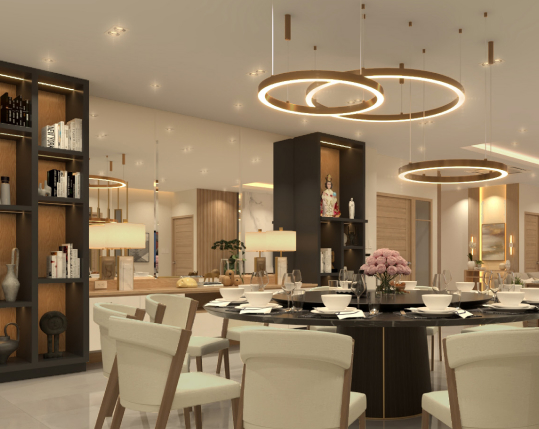
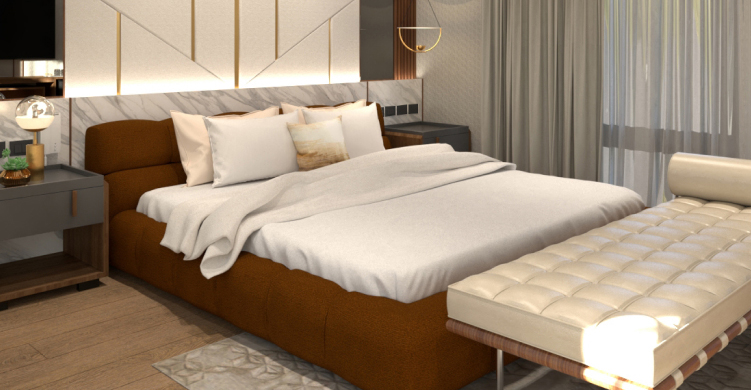
Home is no longer just a place to live. It has become a personal sanctuary shaped around how you want to feel, live, and unwind. High-end residential interior design brings this idea to life through thoughtful craftsmanship, carefully selected materials, and spaces that are tailored to the rhythm of everyday living.
Rather than chasing short-lived trends, it focuses on creating a timeless sense of elegance that feels uniquely yours, refined, comfortable, and deeply personal all at once.
What Makes a High-End Home Interior Design?
High-end design is often mistaken for being purely about cost, but in reality, it is a thoughtful process of curation and intention. It focuses on selecting high-quality materials and finishes that not only look refined but are built to last, paired with spatial planning that feels natural, intuitive, and effortless to live in.
At its core, it reflects the idea of “quiet luxury,” where refinement is expressed through detail rather than display. The subtle texture of a silk rug, the natural grain of a stone countertop, or the seamless precision of a concealed cabinet hinge all speak more powerfully than overt symbols of wealth.
Key Elements of a High-End Residential Interior
A high-end home is more than a collection of beautiful finishes. It is a carefully layered space where every detail, from materials and lighting to layout and texture, works together to create comfort, elegance, and a strong sense of home.
Thoughtful Space Planning
The foundation of any luxury home is how the space is utilized. A high-end interior prioritizes flow between rooms, ensuring that circulation is logical and that each area is properly zoned for its intended use. Tailoring the layout to the property type helps create spaces that feel both functional and effortless to live in.
- Condominium Units: Smart zoning helps maximize limited space while creating a clear separation between private and social areas.
- Townhouses and Family Homes: Layouts should encourage smooth movement between living spaces, dining areas, and shared family zones to support everyday interaction and comfort.
- Weekend Homes and Guesthouses: Open-plan layouts, natural light, and view-oriented spaces help create a relaxed atmosphere that encourages rest and escape from daily routines.
Premium Materials
The tactile experience of a home defines its luxury status. Using natural stone, such as marble or granite, adds a sense of permanence and weight. Rich woods, textured wall treatments, and metal accents in brass or blackened steel provide visual contrast. In high-end projects, you will often see combinations of polished stones paired with reflective surfaces and soft textiles to create a balanced, sensory-rich environment.
Lighting Design
Lighting is the jewelry of the home. A well-designed lighting scheme uses multiple layers to create warmth, depth, and flexibility throughout the space.
- Ambient Lighting: Provides soft, overall illumination that makes rooms feel comfortable and inviting without harsh glare.
- Task Lighting: Adds focused brightness for functional areas such as kitchens, home offices, and reading corners.
- Accent Lighting: Highlights architectural details, artwork, textures, or decorative pieces, adding character and enhancing the mood of the room.
Custom Furniture and Built-ins
Mass-produced furniture often falls short in meeting the precision and functionality expected in a luxury home. Custom cabinetry, wardrobes, and kitchen systems allow spaces to be tailored exactly to the homeowner’s needs, which is especially valuable in Metro Manila condominiums where every square meter matters.
Built-in storage and entertainment units also help maintain a clean, seamless aesthetic by maximizing space efficiency while keeping the home organized and visually cohesive.
Color Palette and Texture
A high-end palette often relies on neutral tones, such as creams, grays, and taupes, to create a sense of calm. Depth is added through layered textures, such as velvet upholstery against a matte-painted wall. In the Philippine climate, designers favor airy palettes and heat-conscious materials that remain cool to the touch even in high humidity.
Popular Luxury Home Interior Design Styles
Luxury home interiors are not defined by a single look or aesthetic. Each design style creates a distinct atmosphere, allowing homeowners to shape spaces that reflect their personality, lifestyle, and vision of what truly feels like home.
Modern Contemporary Interiors
Defined by clean lines, neutral tones, and streamlined layouts, this style focuses on simplicity with refined detail. Textured wall panels, layered materials, and statement lighting are often used to add depth and personality to the space.
Contemporary Luxe Interiors
This style leans into elegance and visual impact through sculptural lighting, natural stone surfaces, and metallic accents. Curated furniture pieces often become focal points, creating a polished and upscale atmosphere ideal for high-end residences.
Minimalist-Inspired Interiors
Built around the “less is more” philosophy, minimalist interiors prioritize clean forms, restrained color palettes, and concealed storage solutions to maintain a calm, uncluttered environment.
Warm Modern Interiors
Combining modern simplicity with inviting textures, this style incorporates wood finishes, earthy tones, and soft fabrics to create spaces that feel refined yet comfortable and “lived-in.”
How to Plan a High-End Residential Interior Design Project
Executing a premium residential project requires a disciplined, step-by-step methodology to ensure every detail aligns with the client’s vision:
- Define the Design Brief: Identify your lifestyle needs, must-have features, and preferred design direction early on.
- Review the Existing Space: Conduct site measurements and evaluate natural light, structural limitations, and plumbing points.
- Create a Cohesive Design Concept: Develop mood boards and material boards to ensure all furniture and finishes harmonize.
- Coordinate Design and Renovation Details: Manage contractors and suppliers for custom fabrication, ensuring quality checks at every stage.
- Final Styling and Turnover: This involves the final placement of furniture, decorative accessories, and the final adjustment of lighting to perfect the atmosphere.
Common Mistakes to Avoid in High-End Home Interior Design
Even with a generous budget, a luxury home can fall short without careful planning and thoughtful design decisions. Small oversights in layout, materials, or functionality can affect not only the visual appeal of the space but also how comfortably it supports everyday living.
Here are some common mistakes homeowners should avoid early in the process:
Choosing Materials Without Considering Maintenance
Some premium finishes are porous or delicate and may not perform well in the humid Philippine climate, leading to quicker wear and higher upkeep. A better approach is to balance luxury with practicality by selecting materials that are both elegant and suited to local conditions.
Prioritizing Appearance Over Function
A space may look impressive, but it quickly loses value if it does not support comfortable movement or adequate storage. Designing with daily living in mind helps ensure that beauty and functionality work together from the start.
Poor Lighting Planning
Even high-end materials like marble can appear flat or underwhelming when lighting is not thoughtfully designed or positioned. Layered lighting—combining ambient, task, and accent sources—brings depth, warmth, and clarity to the space.
Not Planning Built-Ins Early
When cabinetry and kitchen systems are left for later stages, they often feel disconnected from the overall design. Integrating built-ins during the initial planning phase creates a seamless, intentional look throughout the home.
Overcrowding the Space
Too much furniture or too many competing patterns can overwhelm a room and make even large spaces feel confined. Allowing negative space and carefully curating key pieces helps maintain balance and visual calm.
Why Work With an Interior Design Firm for a High-End Home?
Designing or renovating a high-end home is a detailed process that goes far beyond choosing finishes. An interior design firm helps bring clarity and structure to the journey, guiding everything from concept development and material selection to technical documentation and execution.
More importantly, they ensure your home is not only visually refined but also functional, safe, and built to last, protecting your investment while shaping a space that truly feels like your own.
If you are ready to turn your home into a thoughtfully designed sanctuary, working with a professional interior design firm like Rock Robins can help bring your vision to life with confidence and ease.