Designing your home is one of the most exciting ways to infuse your space with personality and comfort. It’s a chance to create a space that not only looks beautiful but also feels uniquely you. However, it’s easy to get caught up in the process and make a few missteps along the way. Have you ever walked into a room and felt like something was just… off? Maybe the furniture feels too cramped, or the space lacks a certain warmth. These issues often stem from common design mistakes that can quietly undermine your efforts.
Don’t let a few simple errors stand between you and your dream home. This guide will walk you through the 10 most common interior design mistakes and how to get them right from the start.
1. Ignoring Space Planning
One of the biggest mistakes is jumping into decorating without a solid plan. Buying furniture and decor on impulse without considering the layout can result in a space that feels crowded, unbalanced, and difficult to navigate. You might find that your beautiful new sofa blocks a doorway or that there’s no logical path to walk through the living room. It’s frustrating to live in a space that works against you.
How to Avoid It: Start with a floor plan. Measure your room and sketch out the layout, marking doors, windows, and electrical outlets. Decide the primary function of the room and arrange furniture to support that function. Ensure there are clear pathways for foot traffic. This simple step saves you from costly and cumbersome mistakes later on.
2. Choosing Style Over Functionality
It’s easy to fall in love with a sleek, modern sofa or a delicate, antique chair. But if that furniture doesn’t fit your lifestyle, you’re setting yourself up for frustration. A home should be lived in, and your design choices need to support your daily activities. A beautiful room that isn’t practical is ultimately a design failure.
How to Avoid It: Always ask yourself, “Will this make my life easier or harder?” Think about how you use each room. If you have kids or pets, opt for durable, performance fabrics and materials that can withstand wear and tear. If you work from home, prioritize an ergonomic and comfortable office setup. Balance trendiness with lifestyle—style should enhance life, not complicate it.
3. Having Poor Lighting Choices
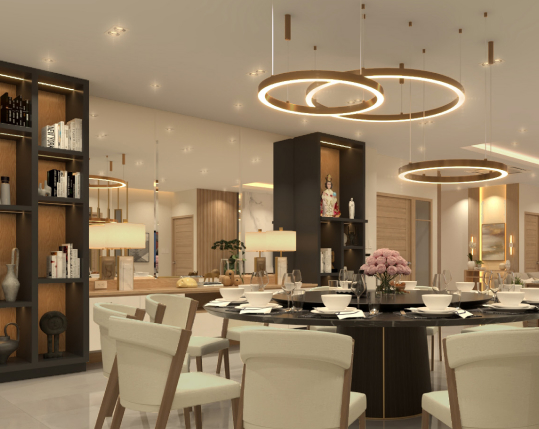
Relying on a single overhead fixture or picking bulbs that cast harsh, unflattering light can make a room feel flat and uninviting. Good lighting is layered and essential for creating ambiance, highlighting focal points and making a space functional. Inadequate lighting can strain your eyes and make even the most beautiful decor look dull.
How to Avoid It: Layer your lighting. A well-lit room should have three types of lighting: ambient (ceiling), task (reading lamps), and accent (wall sconces). Using a mix of these will add depth, warmth, and flexibility to any room.
4. Going With the Wrong Color Selection
Choosing your wall paint first based on a tiny swatch or trend without considering the room’s size, light, and mood is a classic mistake. For instance, dark colors in small spaces make them cave-like while cool tones in north-facing rooms feel chilly and uninviting.
How to Avoid It: Always test paint samples on your walls before committing. Observe how the color changes throughout the day with different lighting. When creating a palette, use the 60-30-10 rule: 60% of the room should be a dominant color (walls), 30% a secondary color (furniture), and 10% an accent color (decor).
Clutter is the enemy of good design. A lack of adequate storage can quickly make any room feel messy and chaotic, no matter how well-decorated it is. When items don’t have a designated place, they end up on surfaces, leading to visual noise and stress.
How to Avoid It: Integrate smart storage solutions into your design from the beginning. Think about multi-functional furniture, like ottomans with hidden storage or beds with built-in drawers. Utilize vertical space with shelving and consider custom built-in cabinetry for a seamless, organized look. A tidy space is a serene space.
6. Over-Decorating or Under-Decorating
Finding the right balance with decor can be tricky. Going overboard with many accessories on every surface can make a room feel cluttered and overwhelming, while too few can leave it feeling cold and impersonal. Both extremes detract from a cohesive and inviting atmosphere.
How to Avoid It: Edit your decor with a discerning eye. The “rule of thirds” is a helpful guideline—grouping items in odd numbers, like three or five, is often more visually appealing. Make sure to leave some breathing room or negative space to let your key pieces shine. If a room feels sparse, an area rug or a large piece of art can help anchor the space.
7. Ignoring Proportions and Scale
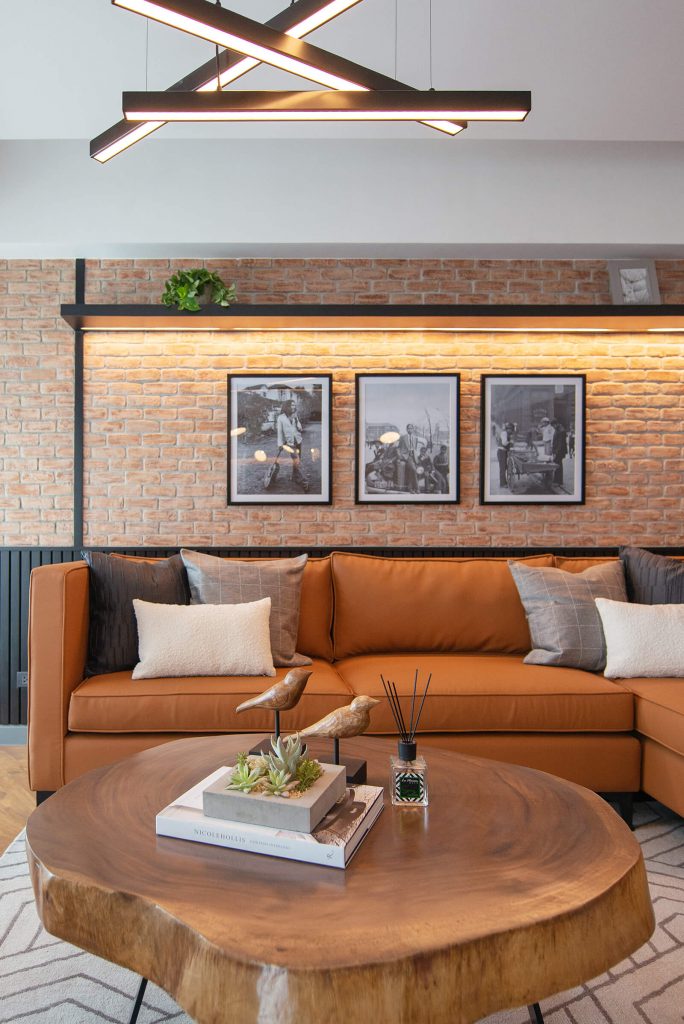
Scale is all about how items in a room relate to one another and to the space itself. A tiny rug in a large living room can make the furniture feel like it’s floating, while an oversized sofa can swallow a small room whole. When the scale is off, the entire room feels unbalanced.
How to Avoid It: Pay attention to the size of your furniture in relation to the room. A good rule of thumb for rugs is that at least the front legs of your major furniture pieces should rest on it. Mix and match the scale of your decor to create visual interest. One or two large statement pieces can anchor a room and make it feel more cohesive.
8. Neglecting Personal Style
It’s easy to get swept up in trends you see on Pinterest or in magazine spreads. But creating a home that looks like a showroom instead of a reflection of your personality is a missed opportunity. Your home should tell your story and be filled with things that are meaningful to you.
How to Avoid It: Don’t be afraid to break the rules and incorporate your unique tastes. Display family heirlooms, artwork from your travels, or collections that you are passionate about. Your home is your sanctuary, and infusing it with personal touches will make it a space you truly love.
9. Forgetting About Flow Between Rooms
A home should feel connected, with each room flowing logically into the next. When there’s no visual continuity, the transition between spaces can result in abrupt disruptions and a disjointed feel throughout the house. This is especially important in open-concept layouts.
How to Avoid It: Create a sense of flow by using a consistent color palette, flooring, or design style. This doesn’t mean every room has to be identical, but there should be a common thread that ties them together. Use area rugs or furniture arrangements to define different zones within an open space while maintaining a cohesive look.
10. Not Seeking Professional Help When Needed
While DIY design can be rewarding, there are times when a project is too big or complex to handle alone. Trying to manage a large-scale project yourself without the right expertise can lead to structural issues, budget overruns, and a final result that falls short of your vision.
How to Avoid It: Know your limits. If you’re undertaking a major renovation or simply feel overwhelmed, hiring an interior designer can be a wise investment. A professional brings expertise, industry connections, and a trained eye to ensure your project is a success, saving you from potential design disasters.
Bring Your Dream Home to Life
Creating a beautiful and functional home is a rewarding process, and avoiding these common design mistakes will set you on the path to success. Remember, your home should energize and comfort you, not frustrate. Take it step by step: plan thoughtfully, prioritize function, and let your personality shine. The result is a space that is harmonious, comfortable, and a true reflection of you.
If you’re ready to transform your space and want an expert guide by your side, the team at Rock Robins Design Co. is here to help. We specialize in turning your vision into a reality, crafting interiors that are not only stunning but also perfectly tailored to your lifestyle. Contact us today to schedule a consultation, and let’s create your perfect home together.
We love Rocky!!! He has the best designs and he gets what you want. His designs are so beautiful. It looks like what you will see in Architectural Digest but the house feels homey and warm. He took care of everything , from the foot print of the rooms, the wall finishes, the built ins, the furnitures , the lighting. He even took care of the styling. It's better than what you will ever watch on any design show. You walk into your house and your jaw would drop at the beauty of your house. His team even fixed all the furnitures and beddings and it's so move in ready that you just literally bring in your personal stuff. He and his staff were very responsive. They went over and beyond so many countless times. He was not only a designer but also a crisis manager. He helped us with our sub contractors. If we were to build another house , we would definitely work with him. We highly recommend him. Indeed one of the Philippines best sought after designer. After working with him , we know why 😍 Thanks so very much Rocky.
Rica Servera
Rock and his team were fantastic and kept the design and renovation process stress and headache free. Impeccable translation of design from print to reality and amazing attention to detail. I highly, highly recommend Rock to anyone looking for end to end services from design all the way thru the actual renovation. Claps! :)
David Cukingnan
Having had a few projects with Rock Robins, I can absolutely testify that he is a highly-professional interior designer, who means what he says and does it. One particular project, we had the challenge of lockdowns and pandemic restrictions. Rock led the project, his team, and the suppliers so well beyond my expectations. Rock exudes professionalism with a heart. I felt that he cares for the project and for me, the client. He listens and accommodates the design of the project based on how it will be used and if it reflects the owners' lifestyle and taste. To say that it is a joy to work with Rock is an understatement. I look forward to the time I can work with Rock again.
Gretchen Choa
We hired Rock Robins and his team for interior design and renovation of our condo unit. The designs were excellent, they listened to and incorporated all our ideas and also made design suggestions along the way. If you want a stress free renovation process then this is the way to go, everything was made very easy! When the renovation was finished it looked almost identical to the final designs
I would highly recommend Rock and his team to anyone wanting interior design services all the way through to renovation, they are a pleasure to work with and the final results are excellent! :)
Mark E
Rocky did such an excellent job on our condo that it was even featured in a popular magazine! The space he created for us is beautiful, tasteful and inviting. We were so happy with his work that he is doing another project for us! We highly recommend Rocky Robins Studio.
Christine RV
All the characteristics you wish for in a great design team are with Rock Robins design studio. I had the most incredible experience working with Rocky and his team on multiple projects for several years. The team is very professional, attentive to client interests, works within client budgets and is deeply committed to completing projects on time. Definitely would recommend them to anyone seeking a top notch design firm that could make their dream home come true.
Brian FilDog
Rocky picked up my project which had been abandoned by the previous designer during coronavirus leaving me in a precarious position. Designers generally don’t like to take over mid-project as there are added complications but Rocky made the effort to completely understand both the issues and what I wanted from the design and elevated it to something beyond my expectations.
Jefferson Saunders
Working with Rock was an absolute joy as his cheery personality brought more excitement and creativity in revamping our daughter's room. We love the playful color scheme and the clever storage solutions.
Jeanne Reyes
Rock Robins Design Studio Co - Interior Design
Address : Robins Design Center, #31 Meralco Ave Ortigas Center, Pasig City, 1600 Metro Manila